
The dream is simple: walk out the door and your airplane is right there. The reality is a neighborhood with a runway in it, and that comes with rules, rhythms and trade-offs worth knowing before you buy. Here is what to expect.
Nobody has a secret list, but a lot of this does not make it into a listing. This is general information based on how Willow Creek Airpark's recorded CC&Rs work. The CC&Rs govern, so read them for the full picture.
What is it like to live on an airpark?
Airpark living means your airplane is steps from home, usually in a hangar attached to or next to the house, with taxiway access to the runway. There is no drive to an airport, and your neighbors share the interest. Buyer guides and residents also stress the other side: aircraft noise, shared costs, and a smaller pool of buyers when you sell. The Cessna Owner Organization has a good overview of what to ask before you buy.
Aircraft come first on the roads and taxiways
At Willow Creek, aircraft have the right-of-way on airpark roadways and taxiways. In practice that means drivers, walkers and anyone with a truck or a trailer yield to the airplane. It is a good habit for everyone to learn early, including guests. If you have visitors or kids, tell them before they arrive.
Is airpark noise a problem?
For some people it is the biggest question. Airplanes are loud, and early or late flying carries. Airpark residents and brokers say the happiest owners are the ones who like the sound, and that the best communities agree on operating habits. Many airparks set quiet hours or other operating rules. Ask what the CC&Rs and the associations say about operating hours before you buy, and spend time on site to hear it yourself. We don't state Willow Creek's operating rules here, so read the recorded CC&Rs or ask us.
Can non-pilots live at an airpark?
Yes, and many do, but it works best when everyone in the household is at ease around aviation. Daily noise, flying-centered social life and a rural setting suit some families and not others. If one of you flies and the other does not, talk it through and visit together.
Your neighbors fly, and so do their friends
A fly-in community is a place where people share an interest and a runway. Expect engines at all hours of the daylight, in every season. Expect visitors, too. At Willow Creek, an aircraft you do not own can stay on a residential lot for up to three visits a year, no more than 14 days in a row and 42 days in total, and the owner cannot charge for it. That makes the place friendly for pilot friends, and it also sets limits.
If you plan to rent out a lot, know that paid rentals of a residential lot need a written lease of at least six months that does not renew automatically.
The runway is a real, unpaved runway
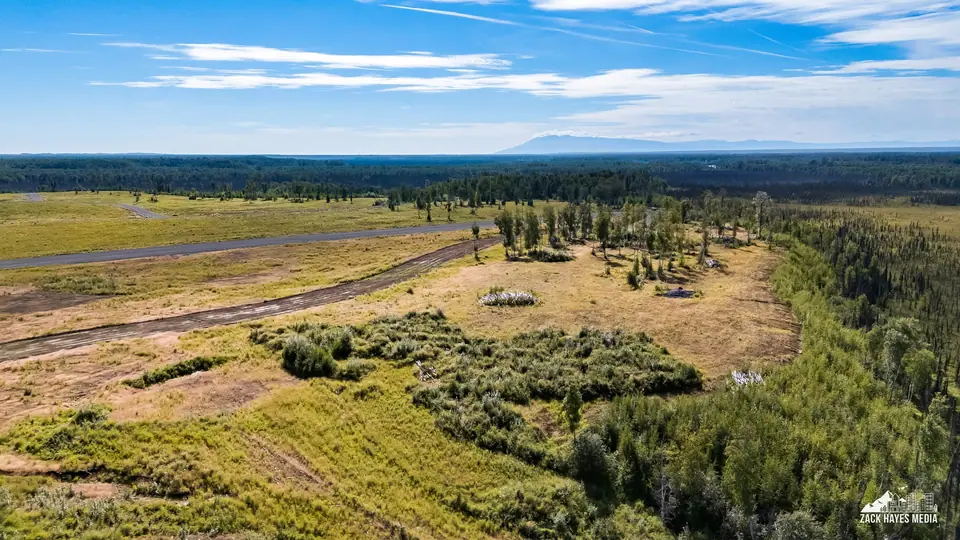
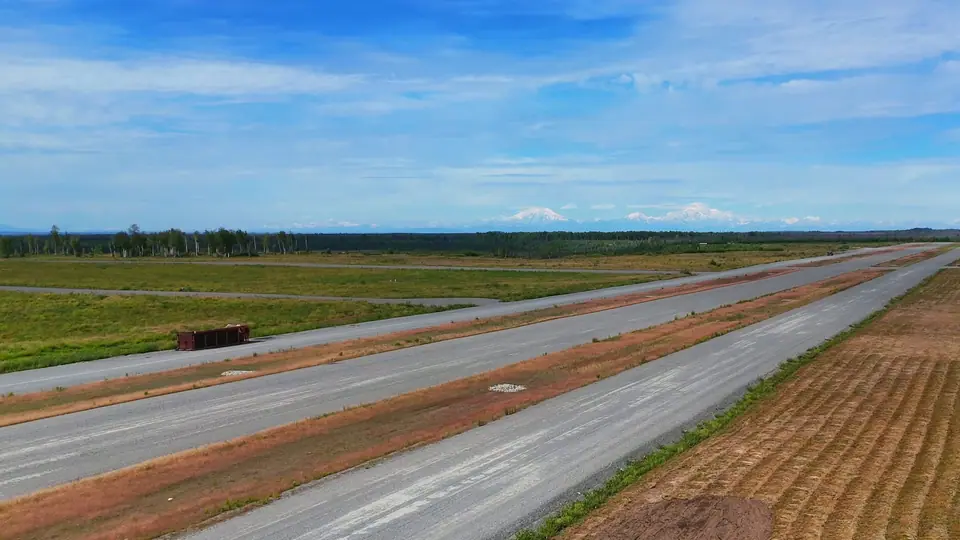
This is the one to take seriously. The runway at Willow Creek is 5,000 by 75 feet, runs north-south, and is unpaved. There is also a 1,900-foot east-west strip, also unpaved. Dual 50-foot-wide taxiways run alongside the runway.
Paving, runway lighting, a weather station and gated access are planned. None of them is built yet, and there is no runway lighting today. Plan your aircraft, your daylight and your weather around the field as it is, not as it may be one day. Pilots who want to fly in should call (907) 360-7448 first so we can coordinate the visit and share current conditions. Unpaved surfaces change with the weather and the seasons, so check before you go.
There is a waiver, and it is worth reading
Each buyer at Willow Creek signs the airpark's Airstrip Use and Waiver Agreement. Read it carefully, and have an attorney look at it. Also talk to your insurance agent about owning a home next to a private, unpaved runway. Policies differ, and it is better to ask before you close than after.
You share the upkeep
An airfield does not maintain itself. At Willow Creek, there are three owners associations (residential, commercial and airstrip), and dues cover shared costs such as taxiway and roadway maintenance and snowplowing, plus each association's share of runway and taxiway operation and maintenance. Dues include at least a 15% reserve. The developer manages the associations until 75% of the lots are sold, and then the owners take over.
Winter is a real part of this. Alaska snow does not care about your flying plans, and a plowed taxiway is part of what keeps a hangar home usable in January.
Wildlife shares the neighborhood
This is Alaska, and wild animals do not read airport signs. Anywhere you fly in the state, the habit is the same: look before you land and look before you taxi. At home that habit carries over to the driveway and the walk to the hangar.
Rural living has trade-offs
Willow is a small, outdoor-focused community, and airparks often sit away from city amenities. Check what you need nearby and how far it is. Our Willow guide lists sourced distances. Resale is worth thinking about too: airpark buyers are a narrower group than ordinary homebuyers.
The hangar and the house have rules, too
- The CC&Rs allow a single-family home with a hangar, or a hangar home with the residence attached but not inside the hangar.
- Aircraft kept on a lot are stored in a hangar or at a secure tie-down.
- The owner builds a paved or concrete connection from the lot to the taxiway.
- Plans go to the Architectural Control Committee before any work starts, and homes and hangar homes are built by an approved contractor.
- The exterior must be finished within 8 months of starting and the building complete within one year, unless the Committee allows more time.
Our article on building a hangar home in Alaska covers snow load, doors and layout, and how airpark CC&Rs work explains how the rules fit together. Thinking about renting vs. owning? See rent vs. own a hangar. The FAQ covers more.
What it feels like
Here is the good part. You step outside, check the sky, and decide whether to fly. The hangar is part of the house or next to it, and the taxiway is the end of your driveway. A short evening flight stops being an expedition to the airport. For a pilot, that is the point of living on a runway. It just comes with a neighborhood, a set of rules and a runway that is still being developed.
Frequently asked questions
What is it like to live on an airpark?
Your airplane is a short walk away, flying gets easier, and your neighbors share the interest. The trade-offs are noise, shared upkeep and a narrower resale market.
Do aircraft have the right of way on airpark roads?
At Willow Creek, yes. The CC&Rs give aircraft the right-of-way on airpark roadways and taxiways.
Can friends fly in and park at my place?
Within limits. An aircraft you don't own can stay on a residential lot for up to three visits a year, no more than 14 days in a row and 42 days in total, and you can't charge for it.
Is the runway paved?
No. The 5,000 by 75 foot runway is unpaved. Paving, runway lighting, a weather station and gated access are planned and not built. Call (907) 360-7448 before flying in.
Come see it
Willow Creek Airpark is a fly-in community on about 320 acres at Mile 73 of the Parks Highway in Willow, Alaska. Phase 1 has 37 residential hangar homesites and 19 commercial lots, with 36 more residential lots planned. See the lots map and the runway page, then plan a visit.
Questions? Email ask@flywillowcreek.com or call (907) 360-7448. Lots are listed by James Cash, Keller Williams Realty Alaska Group.