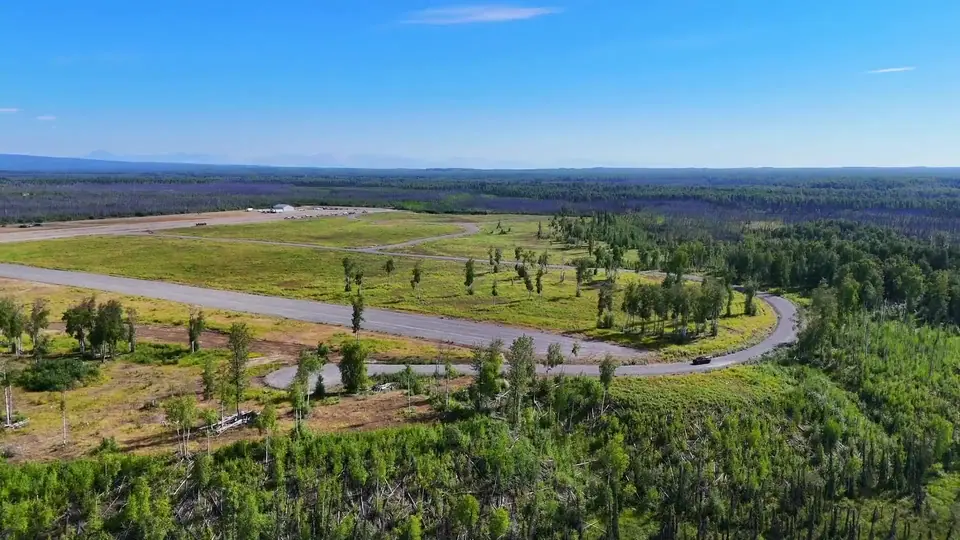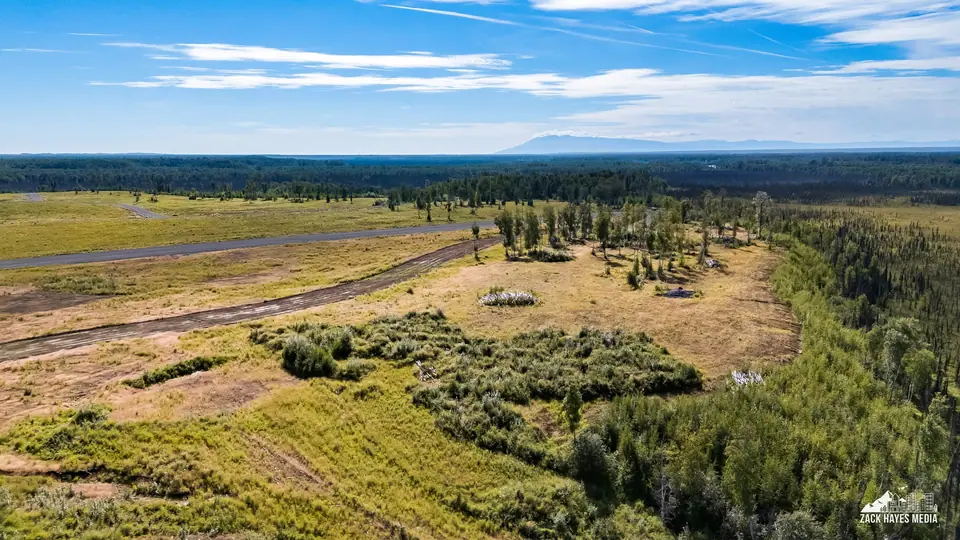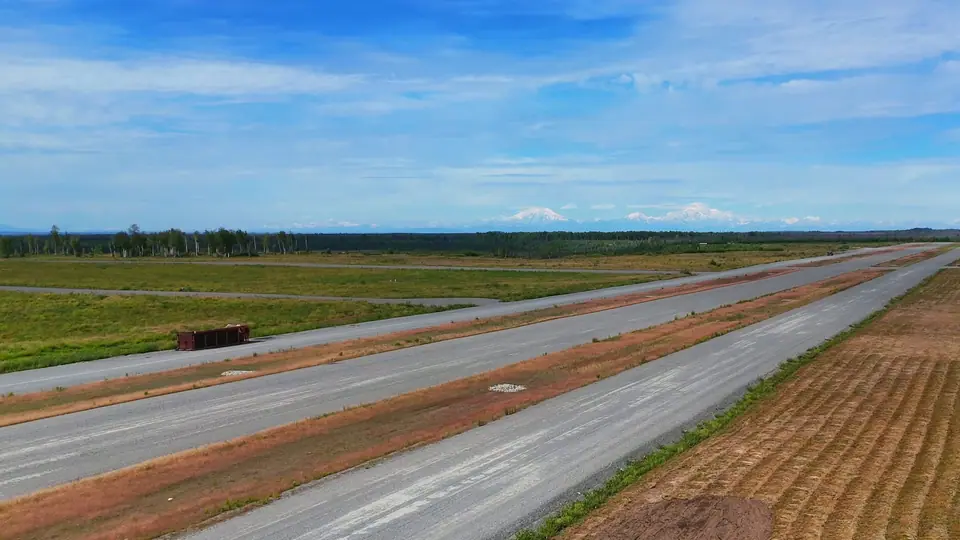

Plenty of pilots pay rent every month to park an airplane a drive away from home. For some of them, a hangar next to the house is the better deal. For others, renting is the smarter call. Here is how to tell which one you are.
The title is a little cheeky, and "backwards" will not be true for everyone. A rented hangar is a good answer if you are new to an area, flying less than you used to, or not ready to build. But if you fly often, plan to stay, and want your airplane at home, the math and the lifestyle are worth a hard look. This is general information, not financial advice. Run your own numbers with your own advisers.
What renting really means
When you rent a hangar, you rent a space, and the terms belong to someone else. That is not always a problem, but it is worth naming:
- The rent and the rules are set by the landlord. Rates, lease terms and what you may store or do in the space can change when the lease does. Read yours.
- You drive to your airplane. Every flight starts with a trip to the airport, and every flight ends with the same trip home.
- You build no equity. Years of rent buy you a space for as long as you keep paying, and nothing after that.
- Availability can be tight. In some places hangar space is hard to find. Ask around your own airport about what is open and how long the wait is.
What owning at home changes
A hangar home puts the airplane where you live. The hangar is part of the house or next to it, and the taxiway is at the end of your driveway.
- Flying gets easier to say yes to. A short evening flight stops being an errand. You walk out, preflight, and go.
- The building is yours to set up. Within your community's rules, you decide on the layout, the door, the heat, the workbench and the storage. Our article on building a hangar home in Alaska covers snow load, doors and layout.
- You own an asset. A lot and a building are property, not a monthly expense. What they are worth later depends on the market, and nobody can promise it.
- Your neighbors fly too. That makes for a different kind of community, with shared rules and a shared runway.
Rent vs. own a hangar: side by side
| Factor | Renting | Owning at an airpark |
|---|---|---|
| Upfront cost | Deposit and first month | The lot, plus construction |
| Ongoing cost | Rent, which can change at renewal | Association dues, insurance, taxes and upkeep |
| Equity | None | Property you can sell, with no guarantee of value |
| Build-out | The landlord's door, heat and finish | Yours, within the CC&Rs: door, insulation, heat, shop |
| Availability | Depends on the airport; waitlists in some places | You decide when to build, after plan approval and construction time |
| Maintenance | Usually the landlord's | Yours |
| Exit | Give notice | Sell the property; the market sets the timeline |
Is it worth owning a hangar?
Published guides agree on one thing: it depends on how long you will stay and how much you fly. Aviation Consumer's look at the rent, buy or build question says there is no one-size-fits-all answer, and a short lease on the land can make owning a poor deal. An analysis from Aviation Property Network puts payback for a modest single-aircraft hangar at roughly 10 to 20 years before appreciation.
Those studies mostly look at hangars on airport ground leases. A lot at an airpark is a different deal, because you buy the lot and build on it. Treat the numbers as a reminder to run your own over the years you really expect to stay, not as a forecast for Willow Creek.
The honest costs of building
Owning is not free money. Before you decide, put these on the page next to your rent:
- The land and the build. You buy a lot and then pay a builder. Get real quotes from builders with Alaska and hangar experience, and treat any number you hear secondhand as a guess.
- The connection to the taxiway. At Willow Creek, the owner builds a paved or concrete connection from the lot to the taxiway. The recorded CC&Rs say so, and it belongs in the budget.
- Association dues. At Willow Creek, dues cover shared costs such as taxiway and roadway maintenance and snowplowing, plus each association's share of runway and taxiway operation and maintenance, and include at least a 15% reserve.
- Insurance and taxes. Each owner carries liability insurance that names the other lot owners and the owners associations as additional insureds. Ask your agent and the borough about the rest.
- Time. A building does not appear overnight. At Willow Creek, the exterior must be finished within 8 months of starting, and the building complete within one year, unless the Architectural Control Committee allows more time. Short Alaska building seasons can make the calendar tighter.
A simple way to compare
You do not need a spreadsheet wizard. You need two columns and honest answers.
- Rent column. Your current monthly rent, times the number of years you expect to keep the airplane in a rented hangar. Add any fees and the cost of the drive.
- Own column. The lot, the build, the taxiway connection, yearly dues, insurance and taxes, spread over the same number of years.
- Then the part that does not fit in a cell. How often would you fly if the airplane were at home? What is your time worth? What would a workshop be worth to you?
If the second column wins on money or on lifestyle, keep going. If neither wins, keep renting and revisit in a few years. Either answer is fine.
What to check at Willow Creek before you decide
If you are looking at Willow Creek Airpark, a few facts shape the decision:
- The runway is 5,000 by 75 feet and unpaved. Paving, runway lighting, a weather station and gated access are planned, not built. If your flying depends on a paved or lighted field, think hard about that.
- Residential lots are for a home with a hangar. The CC&Rs allow a single-family home with a hangar, or a hangar home with the residence attached but not inside the hangar.
- Homes and hangars have minimum sizes, and plans go to the Architectural Control Committee before any work starts. The Building & CC&Rs page summarizes the rules and points to the recorded document.
- Aircraft kept on a lot are stored in a hangar or at a secure tie-down.
The hangar homesites page and the lots map show each lot's size and position. For a look at what the CC&Rs mean for your building plans, see how airpark CC&Rs work and what living at an airpark is really like. More answers are in our FAQ.
Frequently asked questions
Is it worth owning a hangar instead of renting?
It can be, if you fly often and plan to stay put for years. Renting is the better call if you may move, are between aircraft, or are not sure yet. Compare total rent over the years you expect to stay with the lot, the build, dues, insurance and taxes.
How long does a hangar take to pay for itself?
It varies. One industry analysis estimates roughly 10 to 20 years for a modest single-aircraft hangar on an airport ground lease, before appreciation. An airpark lot is a different structure, so run your own numbers.
Can I live in my hangar at Willow Creek?
Not inside it. The recorded CC&Rs allow a single-family home with a hangar, or a hangar home with the residence attached but not inside the hangar.
What does owning cost besides construction?
Association dues, liability insurance, taxes, upkeep, and the paved or concrete connection from your lot to the taxiway. At Willow Creek, dues cover shared costs such as taxiway and roadway maintenance and snowplowing, plus each association's share of runway and taxiway operation and maintenance.
Start planning
Willow Creek Airpark is a fly-in community on about 320 acres at Mile 73 of the Parks Highway in Willow, Alaska. Phase 1 has 37 residential hangar homesites and 19 commercial lots, with 36 more residential lots planned. The runway page keeps what is on the ground separate from what is planned.
If you are weighing a hangar at home against a rented one, we would be glad to talk it through. Email ask@flywillowcreek.com or call (907) 360-7448. Lots are listed by James Cash, Keller Williams Realty Alaska Group.