Earlier this year, a fly-in community outside Dallas-Fort Worth released the last phase of its homesites. The Landings at Pecan Plantation, in Granbury, Texas, opened its final 30 taxiway homesites to buyers. Homes.com covered it, and a few details stuck with me.
What the Texas story says
Granbury is about 70 miles west of downtown Dallas and 35 miles southwest of Fort Worth. When The Landings is finished, it will have about 445 homes with hangars across two runways.
The developer's land consultant said it's one of the fastest-selling airparks in Texas. The 65 homes built on the east side of the second runway all sold within six months, and she expects the last 30 homesites to go in a similar window.
The article also points out that this isn't a tiny niche. Citing the Living With Your Plane database, it says there are at least 710 airpark communities in the country, 84 of them in Texas.
As for who's buying, some of the owners are airline pilots. But the consultant said many are hobby aviators, or people who want to get into aviation as a career. One family bought a site partly because their 12-year-old son has decided that's what he wants to do.
Why it makes sense
If you fly, none of this is surprising. When your plane lives next to your house, flying gets a lot easier to do. You don't have to drive to an airport first. You check the weather, walk out, and go.
The developer's consultant framed it as more than the runway. Her pitch was that you get access to the runway and a lot of community amenities on top of it. That's the Texas version of the deal, and it's a big one.
You also end up living near other people who care about the same thing. For a hobby pilot, that alone can be worth it.
What it looks like in Alaska
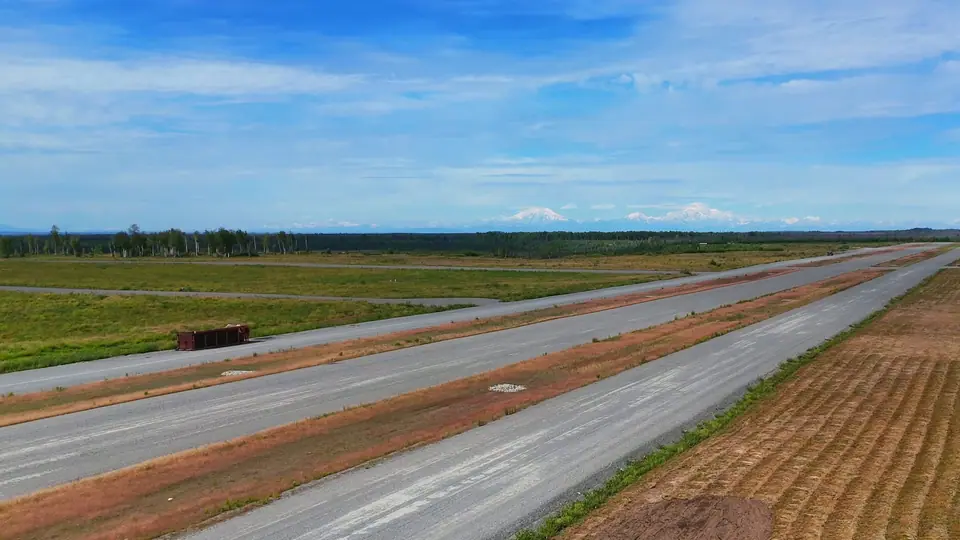
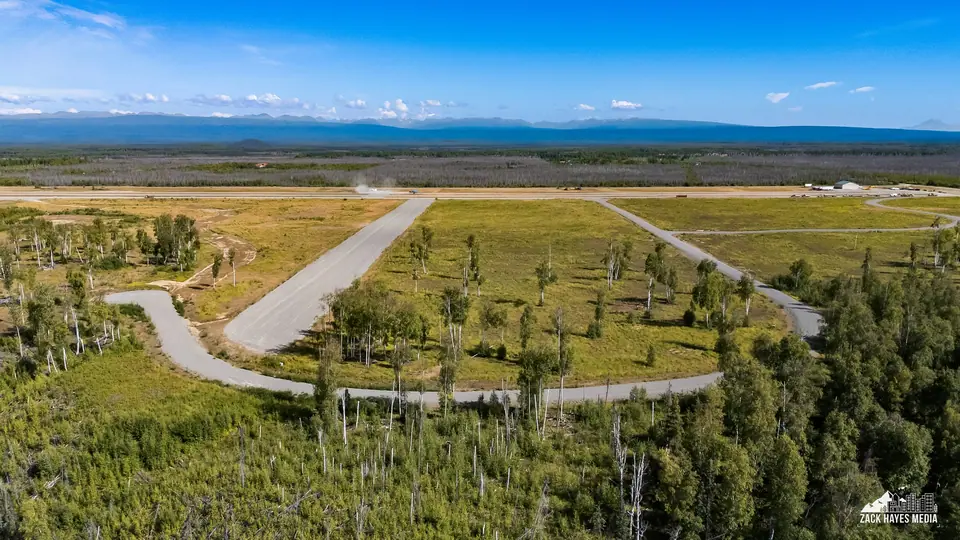
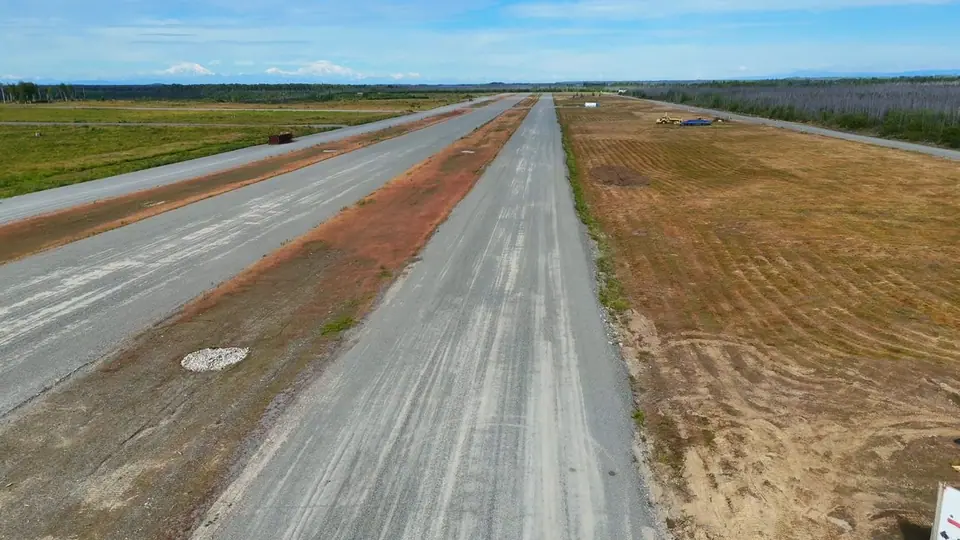
Willow Creek Airpark is the same idea in a different setting. It's in Willow, Alaska, about 35 air miles north of Anchorage, and the 5,000' runway is already there.
Phase 1 is hangar homesites, so your house and your hangar are on the same lot. There are also commercial lots on the field for aviation businesses that want to work from the airpark.
Residential lots can fit a single-family home with a hangar, or a hangar home with the residence attached to the hangar but not inside it. The covenants spell out what's allowed, and anyone looking seriously should read them.
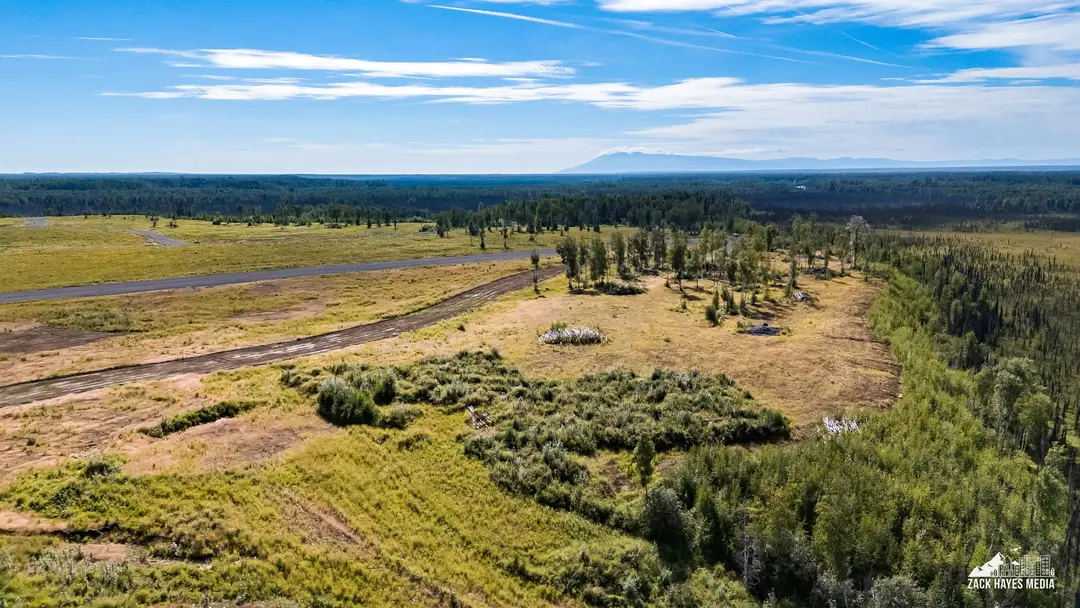
It's a different feel from a Texas community. Out here, the Susitna River and Willow Creek are about half a mile away. In winter, snowmachine and dog-sled trails start about a mile out. On a clear day, Denali is on the horizon.
It's still an airpark in the making. The runway exists and Phase 1 lots are on the market. The neighborhood around it is what gets built next.
What to weigh if you're looking
Every airpark is a trade-off. A few things worth asking about any of them:
- How far is it from the nearest city, and how do you fly or drive there?
- What do you do when you're not flying?
- What do the covenants say about your lot, your hangar, and the runway?
For us, the answers are about 35 air miles to Anchorage, a lot of Alaska outdoors, and a set of covenants you can read before you decide anything.
Take a look
If you've been thinking about living on the field, you can see what's available at FlyWillowCreek.com.
Distances approximate, straight-line.