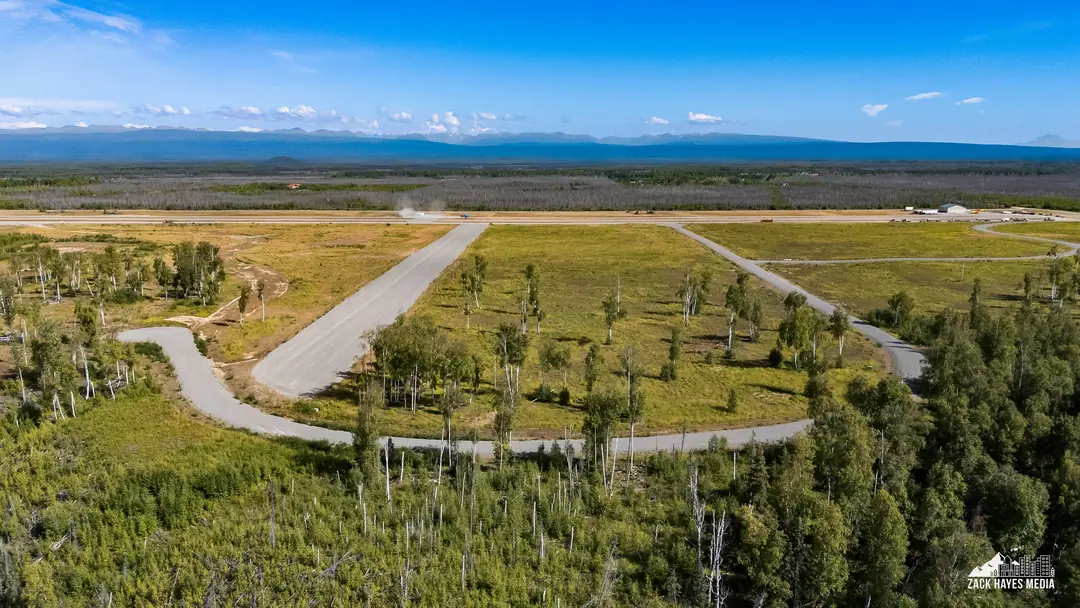
Buying land on an airpark is two purchases at once: a lot, and a share of an airfield. Here is what to check before you commit, written for pilots shopping from outside Alaska.
Start with the runway, as it is today
Every airpark listing describes its runway. Read that description slowly. The questions that matter are simple: how long, how wide, which direction, and what surface. Then ask a second set: what exists on the ground today, and what is planned.
The two are easy to blur. A brochure can describe paving, lighting or a weather station in the same sentence as the runway itself. A planned improvement is not an improvement yet. It may arrive on schedule, late or not at all, and your aircraft has to work with what is there when you move in.
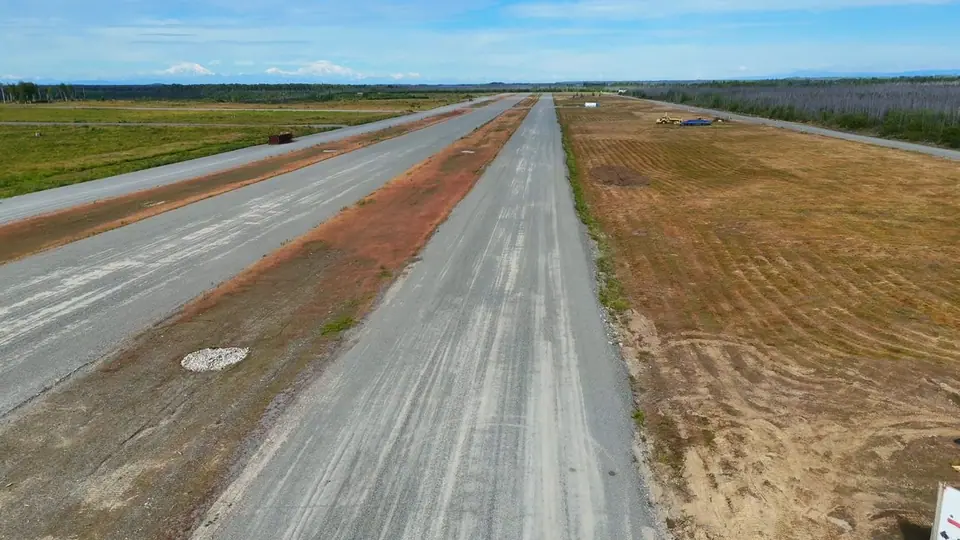
At Willow Creek Airpark, for example, the runway is 5,000 feet long and 75 feet wide, runs north–south, and is unpaved. There is also a 1,900-foot east–west strip, also unpaved. Paving, runway lighting, a weather station and gated access are planned; none of them is built yet. We list those separately on the runway page for exactly this reason.
Questions worth asking any seller:
- What is the runway surface today, and how is it maintained through the seasons?
- Is there runway lighting now? If not, is it planned, and who decides when?
- Is there an on-field weather source today, or only a planned one?
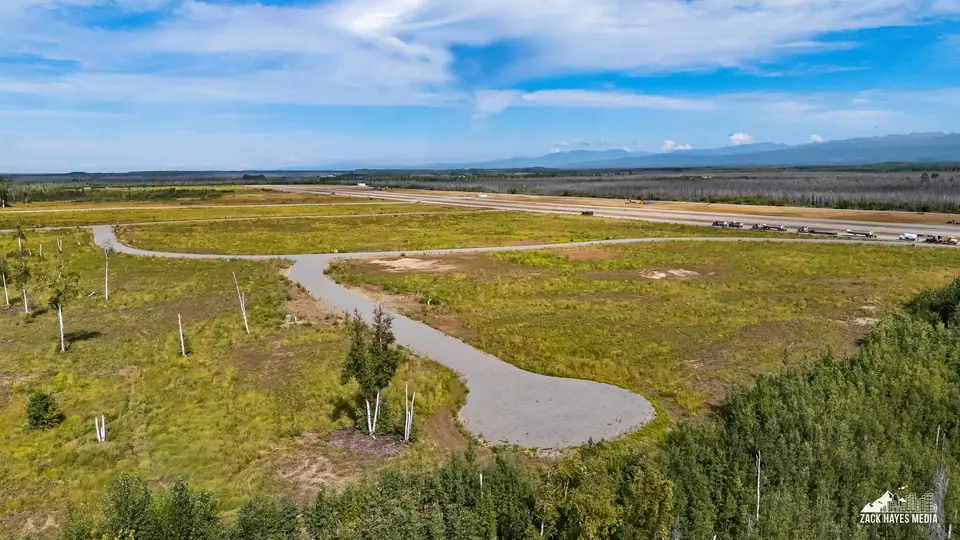
- How do the taxiways connect to individual lots, and who builds that connection?
- Who pays for runway and taxiway upkeep, including snow removal?
Then match the answers to your aircraft and your flying. A field that suits a taildragger on tundra tires may not suit what you fly now, and the reverse is also true.
Read the CC&Rs before you fall for a lot
Most airparks are governed by recorded covenants, conditions and restrictions (CC&Rs). They are the rulebook for what you can build, how you use the airfield, and what you owe your neighbors. They are also the most useful document in the deal, because they are recorded and they apply to everyone.
Read them in full, and share them with your builder and your lender early. Things to look for:
- What you can build. Home and hangar combinations, minimum square footage, the number of hangars allowed, and anything prohibited outright (some communities rule out T-hangars, modular homes or certain siding).
- Approvals. Who reviews plans, what they need, and whether work can start before approval. Usually it cannot.
- Builders. Whether you can hire anyone or must use an approved contractor.
- Timelines. Many CC&Rs require the exterior to be finished, and the building completed, within a set time after construction starts.
- Setbacks. Distances from the front, sides, rear, and from taxiways and runways.
- Aircraft rules. Where aircraft are stored, tie-down requirements, right-of-way on roads and taxiways, and limits on visiting aircraft.
- Renting. Minimum lease terms if you plan to be away for part of the year.
- Insurance and waivers. Liability coverage requirements and any airstrip use agreement every owner signs.
At Willow Creek Airpark, the recorded CC&Rs run to 69 pages. Among other things, they require plan approval by an Architectural Control Committee before any work starts, homes of at least 1,500 square feet of living area and hangars of at least 1,500 square feet on residential lots, a finished exterior within 8 months of starting construction, and completion within one year unless the Committee allows more time. The building page summarizes the rest, with section and page references.
Understand the associations and what dues pay for
An airpark runs on shared costs. Somebody maintains the runway, the taxiways and the roads, and somebody plows them. In most communities that is an owners association funded by dues.
Ask who manages the association today. In newer developments, the developer often runs it until a share of lots is sold, then hands it to the owners. Ask what dues cover, whether there is a reserve, and how assessments are set.
Willow Creek Airpark has three owners associations under its CC&Rs: residential, commercial and airstrip. Dues cover shared costs such as taxiway and roadway maintenance and snowplowing, plus each association's share of runway and taxiway operation and maintenance, with at least a 15% reserve. The developer manages the associations until 75% of the lots are sold.
Check access: road, air and winter
Access is three questions. How do you drive in, how do you fly in, and what changes in winter?
For road access, look at where the property sits relative to a maintained highway, and who maintains the roads inside the community. For air access, ask whether the field is private, whether visitors must call ahead, and what the approach and surroundings look like. For winter, ask how snow removal works on runways, taxiways and roads, and who pays for it.
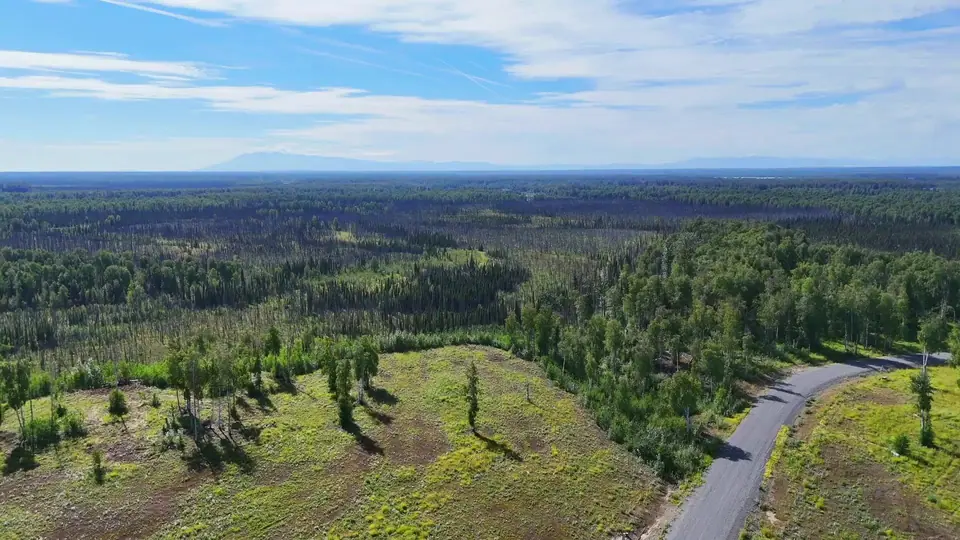
Willow Creek Airpark is at Mile 73 Parks Highway in Willow, in the Matanuska-Susitna Borough. Visitors from outside Alaska usually fly into Anchorage and drive north on the Glenn and Parks highways. Pilots planning to fly in should call ahead first.
Plan around the building season
Building in Alaska rewards planning. Construction timelines in CC&Rs start when construction starts, so the season you break ground in matters. Talk to your builder about lead times for plans, approvals, materials and crews well before you need them.
A practical sequence: choose a lot, have your builder review the CC&Rs, prepare plans, get them approved, then schedule the start so the required exterior and completion dates fall where your builder can meet them. Ask local builders how they handle winter, and what they would do differently on your lot.
Ask about the things a listing doesn't cover
Some questions depend on the specific lot, so ask the seller and confirm independently:
- Which utilities are available at the lot line, and which would you have to provide yourself.
- Soils, slope and drainage. Setbacks can change on steeper ground.
- A current survey. Site plans and online maps are for orientation; they are not surveys.
- Title, easements and any section-line easements crossing the property.
- Financing. Arrange land and construction loans through your own lender, and ask how they treat airpark lots.
Compare lots remotely, then walk the land
A lot of the early work can happen from the Lower 48. Compare lots by size and position on a site plan, read the CC&Rs, and talk through questions by phone or email. Then plan a visit. Most buyers will want to stand on the lot, look at the taxiway edge, and see the runway in person before committing.
On our site map, all 56 Phase 1 lots at Willow Creek Airpark are shown by block and lot number, with acreage and type. Residential hangar homesites range from about 1 to 5.7 acres; commercial aviation lots from about 1.1 to 2.3 acres. Asking prices come from each lot’s MLS listing; a lot without a current listing shows "Contact for pricing."
A short checklist
- Runway length, width, orientation and surface today. Separate the planned from the built.
- Taxiway access to the specific lot, and who builds the connection.
- The full recorded CC&Rs, read by you, your builder and your lender.
- Associations, dues, reserves, and who manages them today.
- Road access, fly-in policy, and winter maintenance.
- Building timelines and a realistic start date.
- Utilities, soils, survey, title and financing for the specific lot.
- A site visit before you commit.
If you'd like to go through any of this for Willow Creek Airpark, get in touch. Lots are listed by James Cash, Keller Williams Realty Alaska Group.