A hangar home lets you walk from the kitchen to the airplane. In Alaska it also asks for extra planning: long winters, heavy snow, and cold that is hard on buildings and engines. Here is what to think through before you break ground.
This is general guidance, not a building code. Every site is different, so confirm local requirements with your builder and engineer. At Willow Creek Airpark, the recorded CC&Rs come first, and plans go to the Architectural Control Committee before any work starts.
Snow load and roof design
Snow is the first thing to plan for. A hangar roof is wide, and wide roofs carry a lot of weight when snow piles up. Your engineer designs the roof for the snow load required where you build, so ask them to walk you through it.
Points to talk through:
- Roof pitch. A steeper roof can help shed snow. A lower roof may hold more of it.
- Where the snow slides. Make sure it does not dump in front of the hangar door, onto a walkway, or onto your entry.
- Drifting. Snow can drift and pile up where a lower roof meets a taller wall. This is common when a house is attached to a taller hangar.
Heated floors, insulation and cold-weather prep
A warm hangar makes winter flying much easier. Some owners choose radiant heat in the hangar slab, which keeps the floor warm and helps dry off snow and ice that comes in with the airplane. How you heat the building, and which options are available at your lot, is a question for your builder before you design.
Good insulation matters just as much. A big hangar door can lose a lot of heat, so ask about insulated door options and good seals.
Cold-weather engine prep belongs in the plan too. Think about:
- Places to plug in where you will park, for an engine preheater, oil pan heater or battery tender
- Room for an engine blanket and wing covers
- A spot to keep a heater cart or other cold-weather gear
- A dry, warm space to do your preflight
A heated hangar will not replace good cold-weather habits, but it makes them a lot easier.
Hangar door type and orientation
The door is the biggest moving part of the building, so choose it with care.
Door types
Common choices are bifold, hydraulic and sliding doors. Each handles snow, wind and opening space differently. Ask your builder which suits your airplane and your site.
Door orientation
Look at the prevailing winds and where snow tends to drift. A door that faces into drifting snow can mean shoveling before every flight. Leave room in front of the door to push snow out of the way, and think about where meltwater will drain.
Layout: attached, above or separate
There is no single right layout. It comes down to how you live and fly, and at an airpark, to what the CC&Rs allow. At Willow Creek, the recorded CC&Rs allow a single-family home with a hangar, or a hangar home with the residence attached but not inside the hangar. If you are considering living space above a hangar, ask the Architectural Control Committee before you design.
Hangar attached to the house
- Pros: You can walk to your plane without going outside, and shared walls can save on heat.
- Cons: It needs good fire separation and fume control between hangar and living space, and rooflines can be more complex.
Living quarters above the hangar
- Pros: A smaller footprint on the lot, and it can suit a cabin-style getaway.
- Cons: Stairs every day, and sound, heat and fumes from the hangar need careful planning. Confirm that your community's rules allow it.
Separate hangar and house
- Pros: Simpler buildings, each designed for its own job.
- Cons: A walk outside in the cold, and more snow to clear between buildings.
Some owners think about building the hangar first and the house later, to spread out the cost. Check the build timelines in your CC&Rs before you plan that way.
Taxiway access and site planning
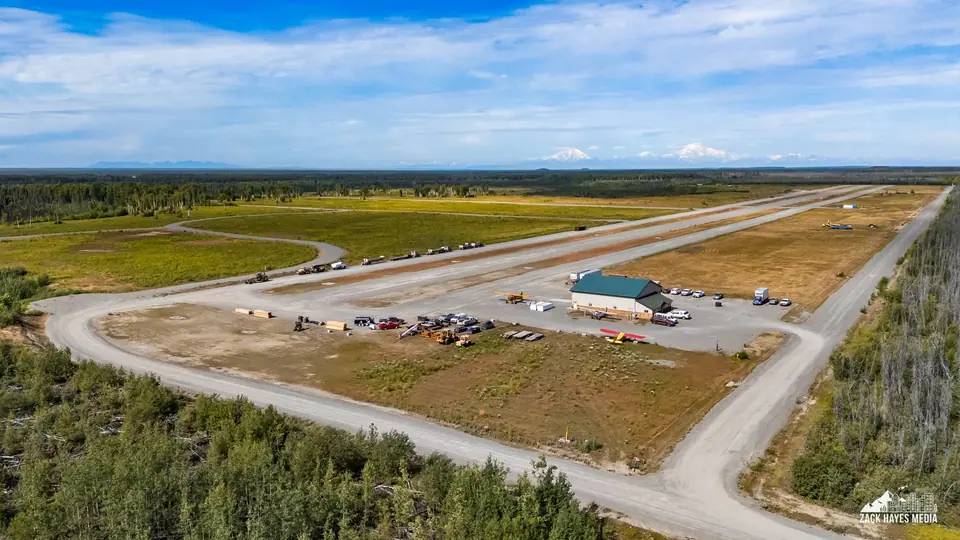
Before you design anything, walk the lot. Look at how the airplane will get from your hangar to the taxiway and runway. At Willow Creek, dual 50-foot-wide taxiways run alongside the runway, and the owner builds a paved or concrete connection from the lot to the taxiway. The CC&Rs also set setbacks from taxiways and runways, so check them before you place the building.
Plan for:
- Clear, simple taxi routes with room for your wingspan
- Space to turn the airplane around and push it back into the hangar
- A driveway that keeps cars apart from aircraft areas
- Places to pile snow that won't block your taxi path
- Drainage, so spring melt runs away from the hangar door and slab
Where you place the hangar on the lot shapes everything else, so get this part right first. The hangar homesites page and the lots map show each lot's size and position.
Work with a builder who knows Alaska
Alaska building is its own thing. Frost, permafrost in some areas, short building seasons and heavy snow all change how you plan and build.
Look for a builder and engineer with real Alaska experience, ideally with hangars. Ask to see past projects. Ask how they handle foundations, snow load and hangar doors. Ask how long their schedule really runs, since materials and crews can book up early. At Willow Creek, homes and hangar homes are built by an approved contractor, so confirm that with the CC&Rs before you hire.
Read the covenants before you design. They tell you what is allowed on your lot, and your builder will need them too. Our checklist for buying land at a fly-in community covers what else to review, and the Building & CC&Rs page summarizes the rules for Willow Creek.
Start planning your hangar home
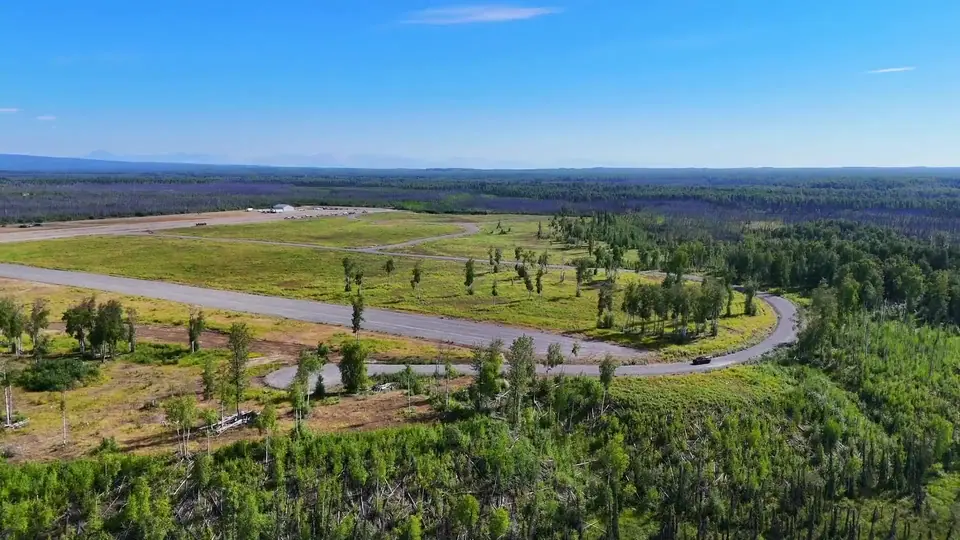
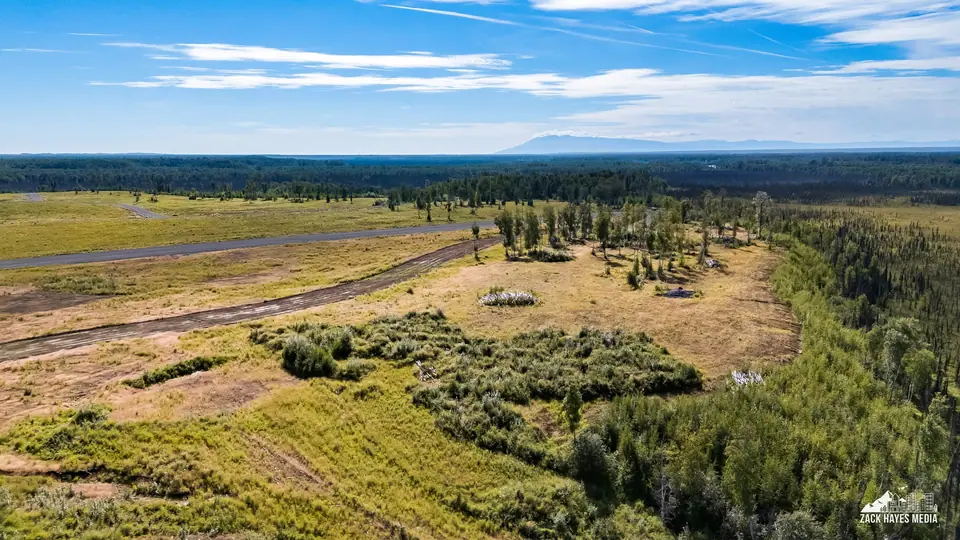
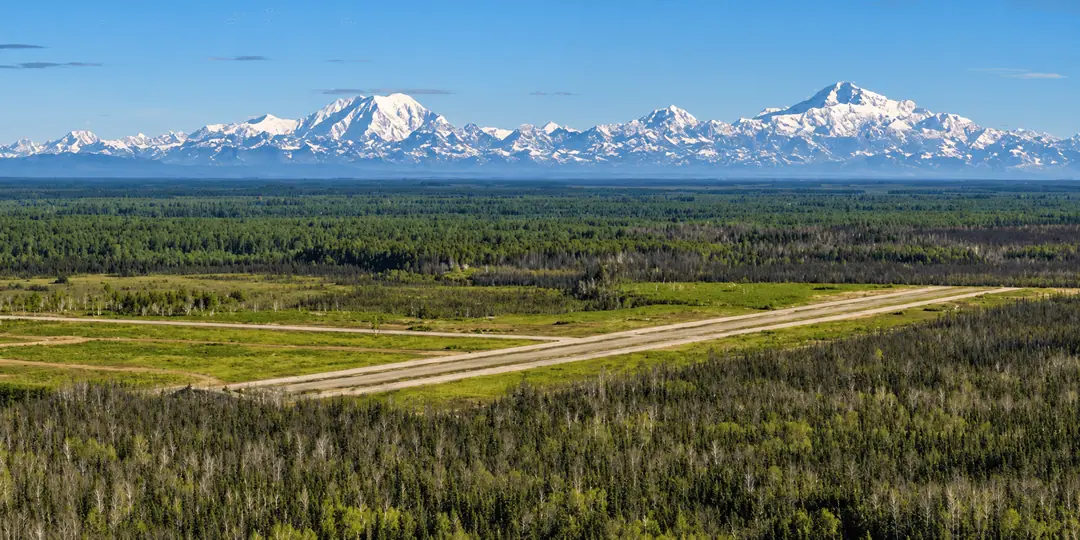
Willow Creek Airpark is a fly-in community on about 320 acres at Mile 73 of the Parks Highway in Willow, Alaska. Phase 1 has 37 residential hangar homesites and 19 commercial lots, with 36 more residential lots planned. The 5,000 by 75 foot runway is unpaved. Paving, runway lighting, a weather station and gated access are planned, and none of them is built yet. The runway page keeps what is on the ground separate from what is planned. For life around the airpark, see living in Willow as a pilot.
If you are thinking about a hangar home, we would be glad to help you find the right lot. Email ask@flywillowcreek.com or call (907) 360-7448. Lots are listed by James Cash, Keller Williams Realty Alaska Group.