Flying your own airplane north is part of the appeal of an Alaska hangar home. It is also a trip through foreign airspace, over long stretches with few services. This is a planning overview, not a flight guide. The official sources linked below govern.
Before you rely on anything here: regulations, customs procedures and phone numbers change. Confirm every requirement with the FAA, Transport Canada, NAV CANADA, the Canada Border Services Agency (CBSA) and U.S. Customs and Border Protection (CBP) before you go.
Start with the FAA's own advice
The FAA's Fairbanks Flight Service Station publishes Planning a Flight to Alaska, written by a flight service specialist who is also a pilot. Its central point is that thorough planning is a must. You may be flying through Canadian airspace, so you need to know Canadian regulations and procedures for both aeronautical and customs purposes. You may also be flying over mountainous terrain and wilderness where many airports have no services.
The same page describes four commonly used routes between the Lower 48 and Alaska: the Alaska Highway (ALCAN) route, the Trench route, the Cassiar Highway route and the Coastal route. Northbound, the Trench and Cassiar routes join the ALCAN route at Watson Lake. The FAA notes that the coastal route is the most likely to have the poorest weather and the fewest landing options.
Why pilots follow the highway
The FAA's guidance is plain about the value of staying close to a highway. The road may be the best option for an emergency landing, and even if you don't land on it, being near it means faster access for rescuers. The general advice in most cases is to stay with the aircraft and wait for rescue rather than walk out.
The Alaska Highway corridor runs through British Columbia and the Yukon before entering Alaska. It is the route many general aviation pilots choose, because it trades directness for options: roads, communities and airports along the way. Plan legs around where you can land, refuel and wait out weather, not around the shortest line on the chart.
Charts and supplements: buy them before you leave
The FAA recommends buying all charts and supplements before you start, because they are hard to get en route. Beyond the charts for your route, carry the Canada Flight Supplement, published by NAV CANADA, and the FAA Chart Supplement for Alaska (the Alaska Supplement), available through the FAA's aeronautical information services. Both contain airport information and special procedures. Check all NOTAMs, including those in both supplements, before each leg.
Electronic flight bags are useful, but plan for the possibility that they fail, and keep paper copies of what you would need without them.
Canadian rules are similar, not identical
There are more similarities than differences between U.S. and Canadian procedures, but the differences matter. Transport Canada's Flying to Canada: what you need to know (TP 15048) is the place to start, along with the Canadian Aviation Regulations.
A few points the FAA and Transport Canada both raise:
- Flight plans. A flight plan is required in Canada for most flights, and recommended in Alaska.
- Survival equipment. Survival gear is required by regulation in both Canada and Alaska. Know what is required for your route and season.
- ADIZ. Some areas, especially along the coast, involve an Air Defense Identification Zone that may require a DVFR or IFR flight plan. Most common routes do not cross one, but check yours.
- Documents. Carry the pilot, aircraft and radio documents Canadian authorities expect. The FAA lists passports for everyone on board, and pilot and medical certificates and a restricted radio permit for the pilot, among others. Transport Canada's guide lists the full set.
If you fly under BasicMed at home, check whether it is accepted in Canada before you plan the trip.
Customs: twice on the way north
Unless you are overflying Canada without landing, you clear customs entering Canada and again entering the United States.
Entering Canada. The CBSA's telephone reporting page for general aviation explains the process. In short: general aviation aircraft land at an approved airport of entry during CBSA business hours, and the pilot calls the Telephone Reporting Centre in advance with the arrival time, aircraft registration, destination and details of everyone on board, then reports again on landing. The CBSA page sets the advance-notice window and the current phone numbers. Pilots who fly to Canada often may want to read about CANPASS Private Aircraft.
Entering the United States. Private aircraft arriving in the U.S. from abroad must meet CBP's requirements, including advance passenger information through eAPIS and landing at a designated airport unless another arrangement is approved. Check CBP's current private aircraft guidance and the airport of entry you plan to use, including its hours and whether it needs advance notice.
Firearms, food, pets and currency all have their own declaration rules on both sides. Read them before you pack, not at the border.
Weather, daylight and the season
Weather along northern routes can change quickly and vary across short distances, and reporting stations can be far apart. Build days into the plan for waiting. Many pilots treat a weather day as part of the trip rather than a delay.
Daylight and season matter too. Long summer days help; short winter days and cold change the trip entirely. Plan for cold-weather operations if you fly outside summer, and know your aircraft's limits.
Fuel, services and the aircraft
The FAA notes that many airports on these routes have no services, including fuel, food or lodging. Confirm fuel availability for each planned stop from current sources before you depart, and carry reserves that reflect long distances between options. Have the aircraft inspected before the trip, carry tools and spares appropriate to your airplane, and know where maintenance is available along the way.
Insurance is worth a call too. Confirm your policy covers flight in Canada and carry proof on board.
Once you're in Alaska
Flying within Alaska is its own subject, and the FAA treats it separately from getting there. The Alaska Supplement's back sections cover special procedures. If you are coming to look at property, plan the last leg around where you will base the airplane, and call ahead to any private field before you fly in.
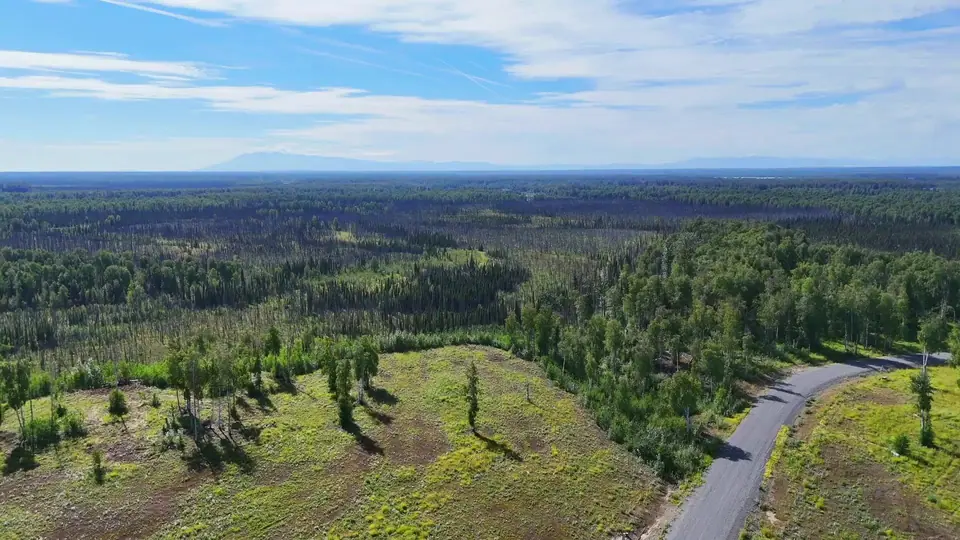
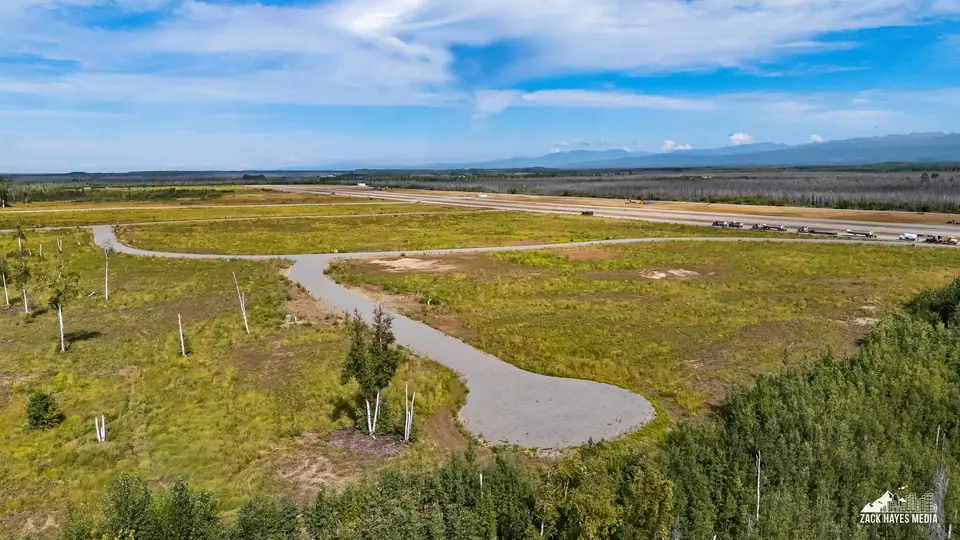
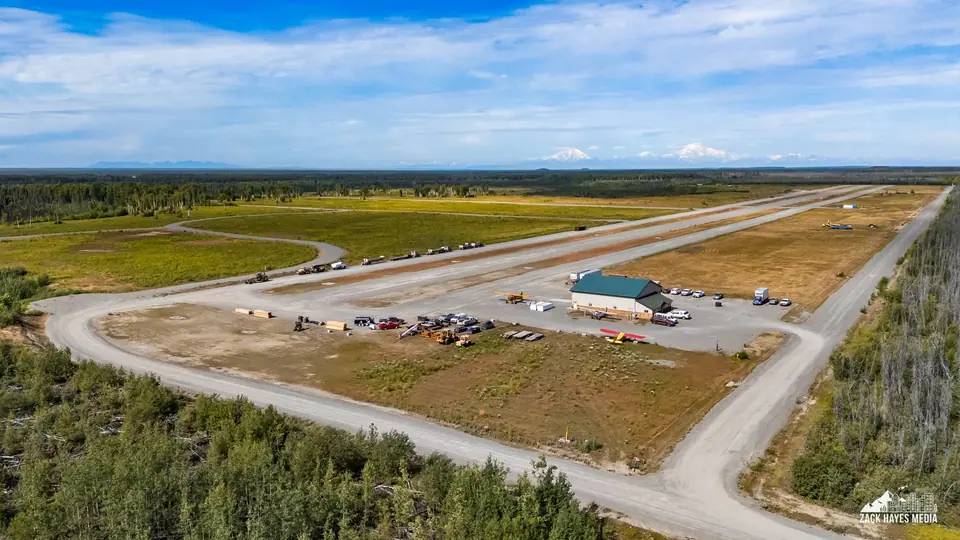
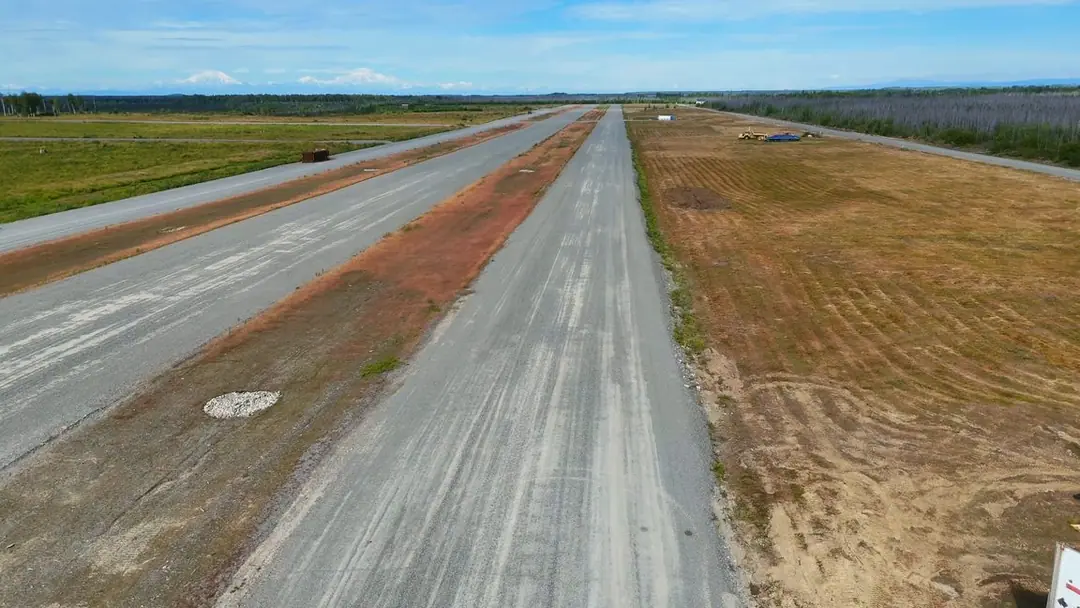
Willow Creek Airpark is a private aviation community at Mile 73 Parks Highway in Willow, Alaska. Its runway is 5,000 by 75 feet and unpaved; paving, runway lighting, a weather station and gated access are planned, not built. There is no runway lighting yet. See the runway page for what's on the ground, and call ahead before planning to fly in. Many visitors fly commercially into Anchorage instead and drive north to see the lots first.
Official sources
- FAA, Fairbanks Flight Service: Planning a Flight to Alaska
- FAA: Flying to Alaska (PDF)
- Transport Canada: Flying to Canada: what you need to know (TP 15048)
- NAV CANADA: aeronautical information, including the Canada Flight Supplement
- CBSA: Telephone reporting for general aviation aircraft
- U.S. CBP: eAPIS