Alaska Airlines is putting more than $60 million into rural terminals, and a bush carrier just got a new backer. That's not a side project. It's how this place gets around.
A lot of Alaska isn't on the road system. If you want to visit family, move cargo, or get to a clinic, you fly. That isn't a travel slogan. It's the ordinary way in and out of towns that a highway never reached.
Two pieces of news this month make that plain. The state's main airline is rebuilding rural terminals. And one of the largest small carriers just took on a new majority owner, with plans to grow.
New terminals, on purpose
Alaska Airlines calls the work the Great Land Investment Plan. It first described a $60 million effort under that name in May 2024, in the Anchorage Daily News. Since then, published figures have ranged from $60 million to about $72 million, depending on the story and the year. The careful way to say it is more than $60 million, which is also how the airline put it in November.
Scott Habberstad, the airline's managing director for the Alaska market, spoke on November 11 at the Resource Development Council's conference in Anchorage. As Alaska News reported, the airline flies to 19 communities in the state, "only 3 of which are accessible by road." It built, and now owns and operates, 13 of the terminals it uses here. A lot of those buildings went up in the 1980s and 1990s.
They've gotten tight. The Daily News, in that 2024 story, said terminals in places like Bethel, Kodiak, Nome, and Utqiagvik grew congested as larger jets started hauling more people, and as post-9/11 security took up more of the floor. Passenger counts per flight also went up after the airline retired its old "combi" jets in 2017, the ones that were part cargo and part cabin. The buildings did not grow with the airplanes.
Kodiak is first. The airline is already working out of a temporary facility and is about to tear the old terminal down and put up a new one. Habberstad said that should take about two years. That lines up with what the airline told KMXT in June, when it planned to start demolition and rebuilding last summer and move operations into a leased building next door.
In Utqiagvik, the airline bought the state transportation department's building next to its terminal and is designing what comes next. Bethel, Habberstad said, is due for a rebuild.
Nome is on the list too, because the town is growing. Habberstad pointed to the port expansion, mineral activity, and a growing military presence. There still aren't firm details. In July, KNOM reported that Nome's upgrades were on the back burner while Kodiak and Utqiagvik went first, and that the airline had "no further specific details" for Nome or Bethel at the time.
The small planes, too
The other story is closer to the gravel strips.
On November 10, 2026, San Francisco-based ERA Partners announced a majority investment in Grant Aviation. The announcement says the money is meant to expand Grant's fleet and current routes, and to reach new and underserved markets. It does not disclose the terms, or which new routes come first.
Grant is based in Anchorage and was founded in 1971. ERA calls it the largest registered Part 135 carrier in the state. It flies more than 250,000 passengers a year, and it holds contracts to serve 22 communities. Its network is concentrated in the Yukon-Kuskokwim Delta, the Aleutians, and Bristol Bay, which is another way of saying a large part of western and southwestern Alaska that you do not reach by highway. The work includes U.S. Postal Service bypass mail, non-emergency medical transportation, and essential air service backed by the Department of Transportation.
Grant's CEO, Gabriel Kompkoff, said the investment will help the company expand its reach and keep doing the daily flying rural communities already depend on. That's the useful part of the announcement. The specific next routes will have to wait.
This is just how it works
Put those two stories side by side and they aren't really separate. A jet terminal in Kodiak and a Part 135 run to a village both exist because the road doesn't go there, or because the trip is simpler in the air. Mail, medicine, groceries, workers, and weekend visits all move that way.
It's easy, from the Lower 48, to treat flying as the unusual part of a trip to Alaska. Up here, it's often the ordinary part. A person might fly to Anchorage for a doctor's appointment, send a kid to a basketball tournament, or wait on a bypass-mail flight for parts and groceries. The jet and the small airplane are two rungs of the same ladder.
That's why an airline will spend more than $60 million on buildings most people Outside will never walk through. And why a private firm will buy into a bush carrier whose main job is showing up, in weather, on a schedule, for towns that don't have another option.
None of this is new. What's new is the money going into the buildings and the fleets that already do the work.
A house with a hangar
Some pilots look at that map and want the airplane at the house, not parked at a city airport across town.
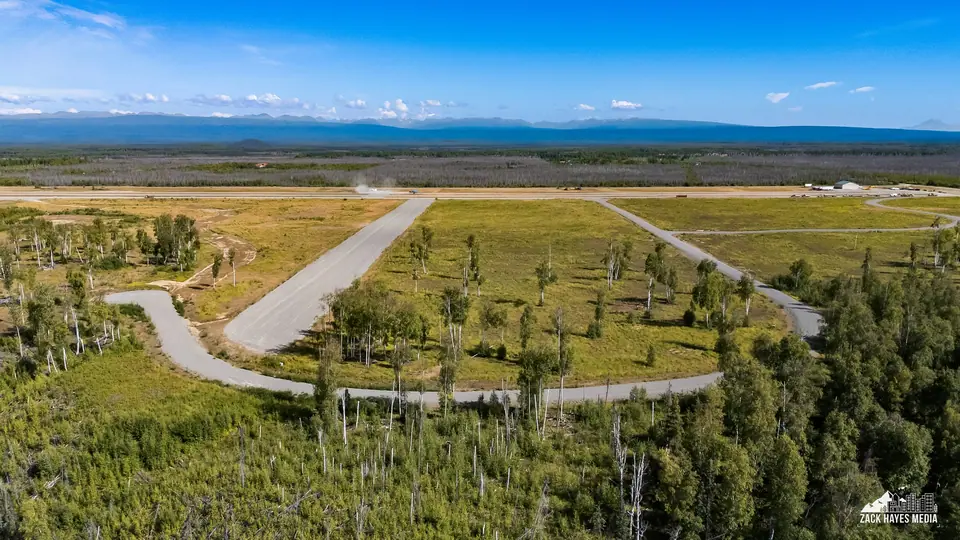
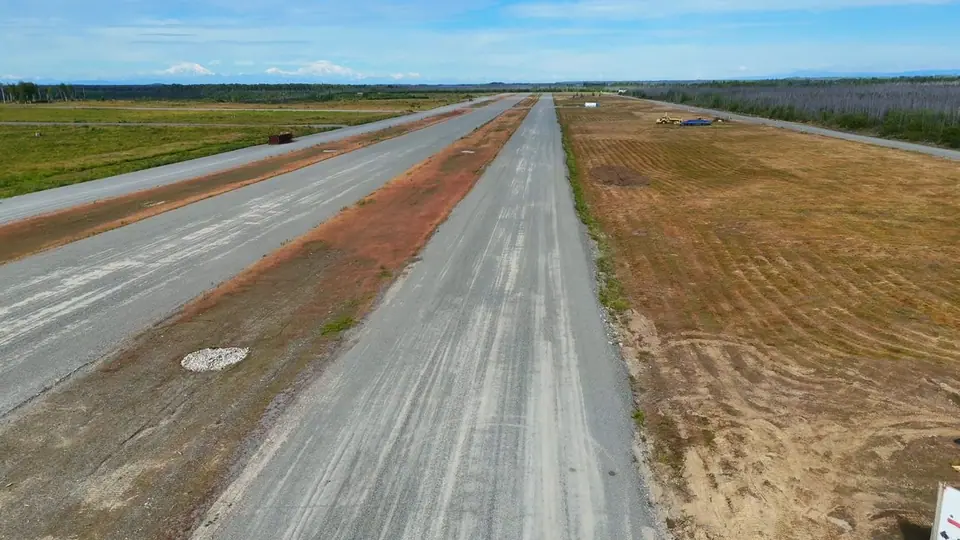
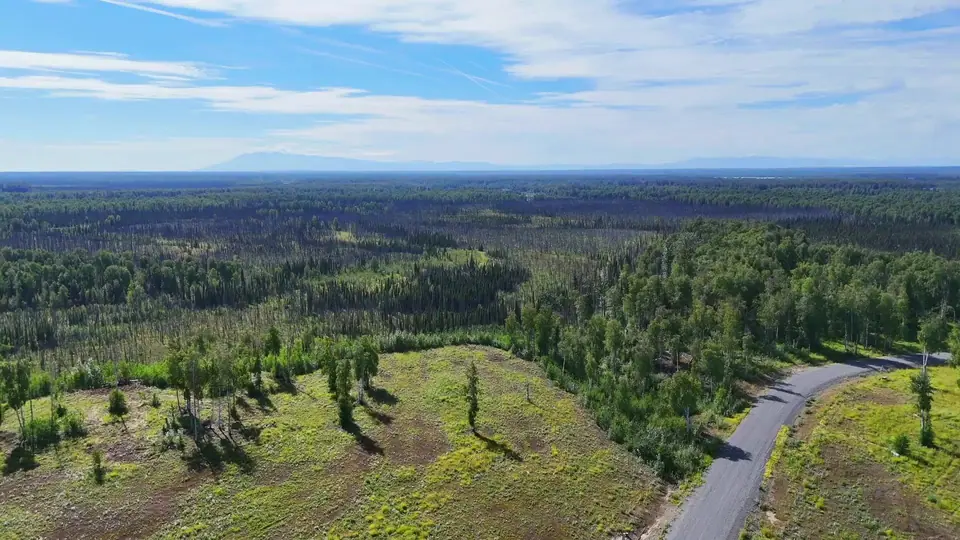
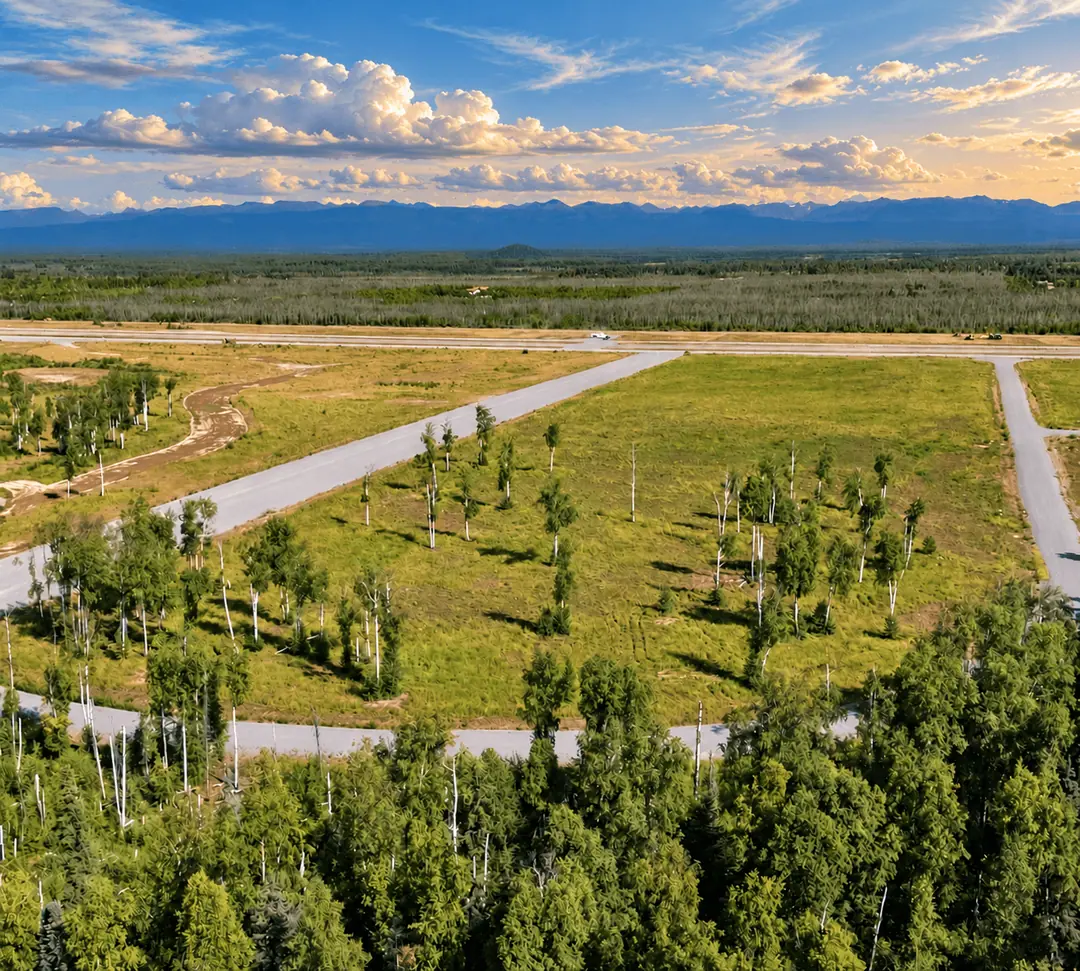
Willow Creek Airpark is that kind of place. It's a fly-in hangar-home community at Mile 73 of the Parks Highway, near Willow. Lots are set up so you can build a home and a hangar on the same piece of ground. The runway is already on the field, 5,000 by 75 feet, and it is unpaved gravel.
If you're curious, the homesites and the runway notes are the straightforward place to start. Or come see it when you're in the area. Questions go to ask@flywillowcreek.com.